Key takeaways
- Peru pisco exports are small and concentrated: full year 2025 value was about USD 9.5 million FOB, and roughly two thirds of it flows through five bodegas. The names you reach first are not always the ones with capacity to spare.
- The category is recovering, not booming. Value fell to about USD 8.48 million in 2024 from roughly USD 9.4 million in 2023, then rebounded about 12 percent in 2025. Demand is real but volumes are modest, so allocation and authenticity matter more than headline growth.
- Authenticity is a denomination of origin question. Genuine pisco comes from five protected regions and eight permitted grapes, with Quebranta the dominant variety at more than 60 percent of what is made. Variety and origin, not just the word pisco, define what arrives in the bottle.
A small, concentrated supply base where the obvious names are not always available
Pisco looks like a simple buy until you place a real order. The entire export category is small, around USD 9.5 million FOB in 2025 on a little over a million liters shipped, and it is dominated by a handful of houses. At the 2024 close, five bodegas accounted for about 68 percent of export value, led by Destilateria La Caravedo near 24 percent and Bodega San Isidro near 17 percent. For an importer that means the first names you find online may already be allocated, priced for their own brands, or unwilling to private label.
Beneath those five sit dozens of smaller distilleries across Lima and Ica, plus producers in Arequipa, Moquegua and Tacna. Many are excellent and many have spare capacity, but they rarely show up in English, rarely answer cold email, and vary widely in their ability to certify denomination of origin, hold a consistent variety profile, or document the volume they claim. The fragmentation that creates opportunity also creates risk.
The category has also been uneven year to year. Export value slipped to about USD 8.48 million in 2024 from roughly USD 9.4 million in 2023 before recovering about 12 percent in 2025. A buyer who reads only the recovery headline can mistake a thin, recovering market for a deep one, and over commit to a supplier who cannot sustain the order.
Peru pisco export value dipped in 2024, then rebounded to about USD 9.5 million in 2025
2024 was the soft year, down about 9.6 percent; 2025 recovered about 12 percent
Category remains small in absolute terms, near USD 9 to 10 million
Source: Peru Sourcing Partners analysis
Why Peru is the only real origin, and why variety and denomination decide quality
Pisco is a Peruvian denomination of origin spirit, legally tied to coastal valleys in five departments: Lima, Ica, Arequipa, Moquegua and the Locumba, Sama and Caplina valleys of Tacna. Lima and Ica alone concentrate more than 85 percent of national production, and Ica led 2025 shipments at about 57 percent of volume with Lima near 41 percent. If authenticity and traceable origin matter to your label, Peru is not one option among several. It is the origin.
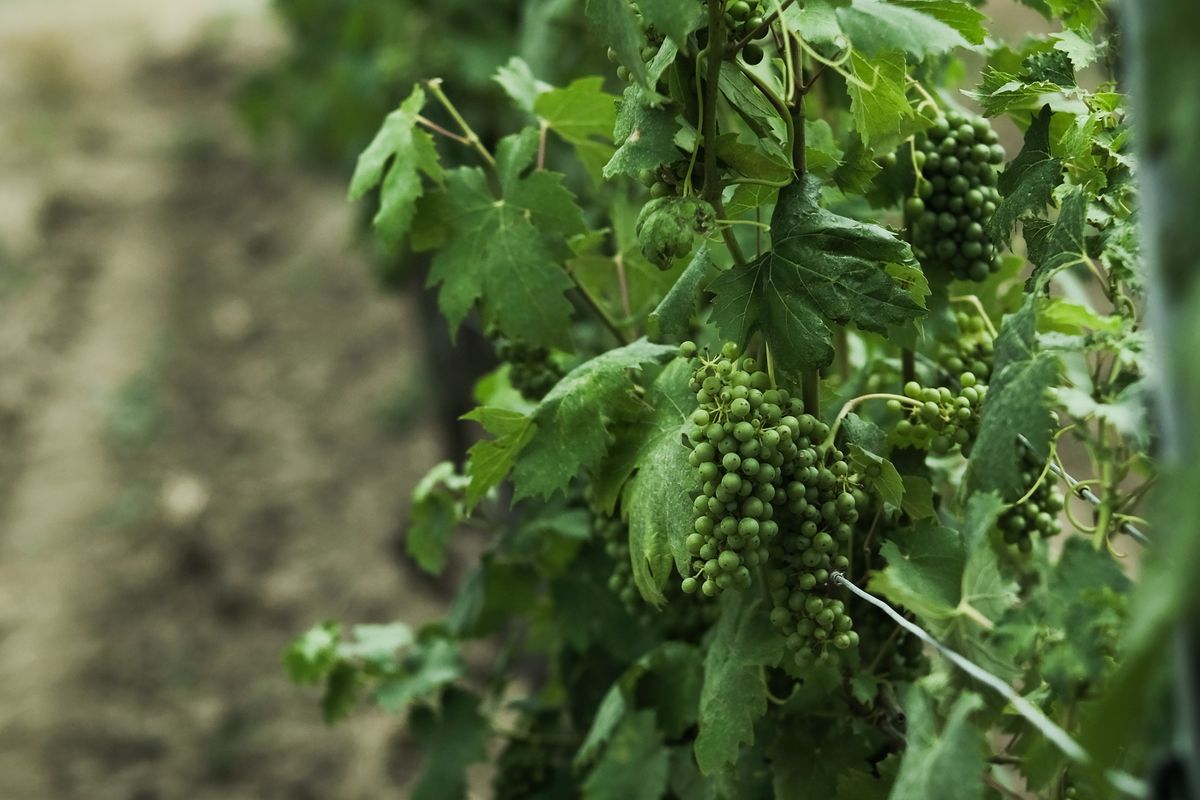
Within that origin, the grape is the product. Eight varieties are permitted, split into non aromatic grapes such as Quebranta and Negra Criolla and aromatic grapes such as Italia, Torontel and Moscatel, plus blends labelled Acholado. Quebranta is the backbone, making up more than 60 percent of pisco produced, while export market bartenders often prefer the floral aromatic styles. A buyer who specifies pisco but not variety is leaving the most important quality decision to chance.
Production is steady rather than abundant, around 8 million liters in 2024 with only about 40 percent destined for export. That scarcity, combined with a strict denomination and a fragmented producer base, is exactly why the right bodega is worth finding. The difference between a vetted Quebranta from a certified Ica house and a generic grape spirit is the difference between a credible shelf position and a returned shipment.
Five bodegas controlled about 68 percent of 2024 pisco export value
Top five firms = 68 percent of value
The remaining third is spread across dozens of smaller, harder to reach bodegas
Source: Peru Sourcing Partners analysis
So what: vet the bodega, the variety, and the volume before you commit
In a market this concentrated, supplier selection is the whole decision. Before placing an order, confirm three things on the ground: that the producer holds a valid denomination of origin certification, that the variety and style match what your buyers expect, and that the bodega can actually supply the volume and cadence you need rather than a one off sample lot. Each of these is verifiable in Peru, and each is routinely overstated in a cold pitch.
The practical move is to start from a vetted shortlist rather than a search engine. That means a small set of producers screened for authenticity, variety profile, export readiness and real capacity, including the strong mid sized bodegas that never surface in English. From there you request introductions to the two or three that fit your specification, and you negotiate from a position of knowing who you are talking to.
If you are sourcing Peruvian pisco, the next step is to request a vetted shortlist and direct introductions to bodegas matched to your variety and volume. That replaces guesswork with a short, verified list, and it puts the authenticity question to rest before money or label space is on the line.
The United States takes roughly 4 in 10 bottles, with Europe and Japan next
USA is the anchor market at about USD 3.88 million
Spain, the Netherlands and Japan form a meaningful European and Asian tier
Source: Peru Sourcing Partners analysis
Request a vetted shortlist of Peru pisco bodegas
Tell us your target variety, style and volume, and we will return a short, verified list of bodegas with confirmed denomination of origin, the right grape profile and genuine capacity, plus direct introductions to the ones that fit. We vet authenticity and volume on the ground in Peru before you commit a single order.
Request an introductionCommon questions
How big is Peru's pisco export market and is it growing?
It is small but recovering. Full year 2025 export value was about USD 9.5 million FOB, up roughly 12 percent after a soft 2024 near USD 8.48 million. Volumes sit a little above one million liters a year, so this is a premium niche rather than a high volume commodity, which makes choosing the right bodega more important than chasing scale.
What makes pisco authentic, and how do I verify it?
Genuine pisco carries a denomination of origin tied to five Peruvian regions, Lima, Ica, Arequipa, Moquegua and Tacna, and may only use eight permitted grape varieties. Authenticity should be verified through valid denomination of origin certification and a clear variety declaration. Quebranta accounts for more than 60 percent of pisco made, while aromatic styles like Italia and Acholado blends are common in export markets.
Why use a vetted shortlist instead of contacting bodegas directly?
Because the supply base is concentrated and uneven. Five bodegas move about 68 percent of export value, and the strong mid sized producers behind them rarely surface in English or answer cold outreach. A vetted shortlist screens for authenticity, variety, export readiness and real capacity, so you start from a short, verified set of bodegas matched to your specification rather than a search engine.
About the data: Figures compiled from Peru export trade statistics and sector reporting for 2023 to 2026, cross checked across at least two sources for headline values; client label: Source: Peru Sourcing Partners analysis. Figures reflect Peru export data curated and classified by Peru Sourcing Partners.
Get Peru spirits and gourmet sourcing intelligence before your competitors do
a short brief on Peru sourcing, sent occasionally.