Key takeaways
- Peru's bean exports grew to 62,971 tons worth $103.8M in 2024, a 41% value jump, but average prices slipped to $1.65 per kilogram, so the premium is in grade and reliability, not in the commodity itself.
- The supply base is concentrated but uneven: the top three bean exporters held only about 39% of volume (V&F 15%, Procesadora Mejia 14%, Procesadora Peru 10%), leaving a long tail of smaller shippers of variable consistency.
- Lima bean (pallar) volume actually fell 20% to 8,968 tons in 2024 even as beans surged, a divergence that shows why a buyer needs supplier-level intelligence rather than headline sector growth.
The headline growth hides how uneven the bean supply base really is
On paper, Peru looks like an easy pulse origin. Bean exports reached 62,971 tons worth $103.8 million in 2024, a 41% jump in value and 45% in volume over the prior year, and total pulse exports topped $139.8 million across roughly 40 destination markets. Those numbers pull a lot of new buyers toward Peru.
The problem is that the average export price for beans actually slipped to about $1.65 per kilogram, and lima bean (pallar) shipments moved the opposite way, falling 20% in volume to 8,968 tons. Sector momentum and individual supplier performance are not the same thing, and a buyer who reads only the top line can land with the wrong shipper.
Quality is where the gap shows up. Pulses are graded by caliber, color uniformity, defect and broken-grain rates, moisture and presentation, whether fresh, frozen or processed. Across a fragmented base of dozens of exporters, those specifications are met very differently from one packer to the next, and a single off-spec lot can cost far more than the price difference that drew the buyer to Peru in the first place.
Peru's bean exports jumped 41% in value to a new high in 2024
Volume rose in parallel from about 43,400 t to 62,971 t (+45%)
Average price eased to US$1.65/kg, so growth is volume-led
Source: Peru Sourcing Partners analysis
Peru offers real depth in beans and lima beans, if you reach the right packers
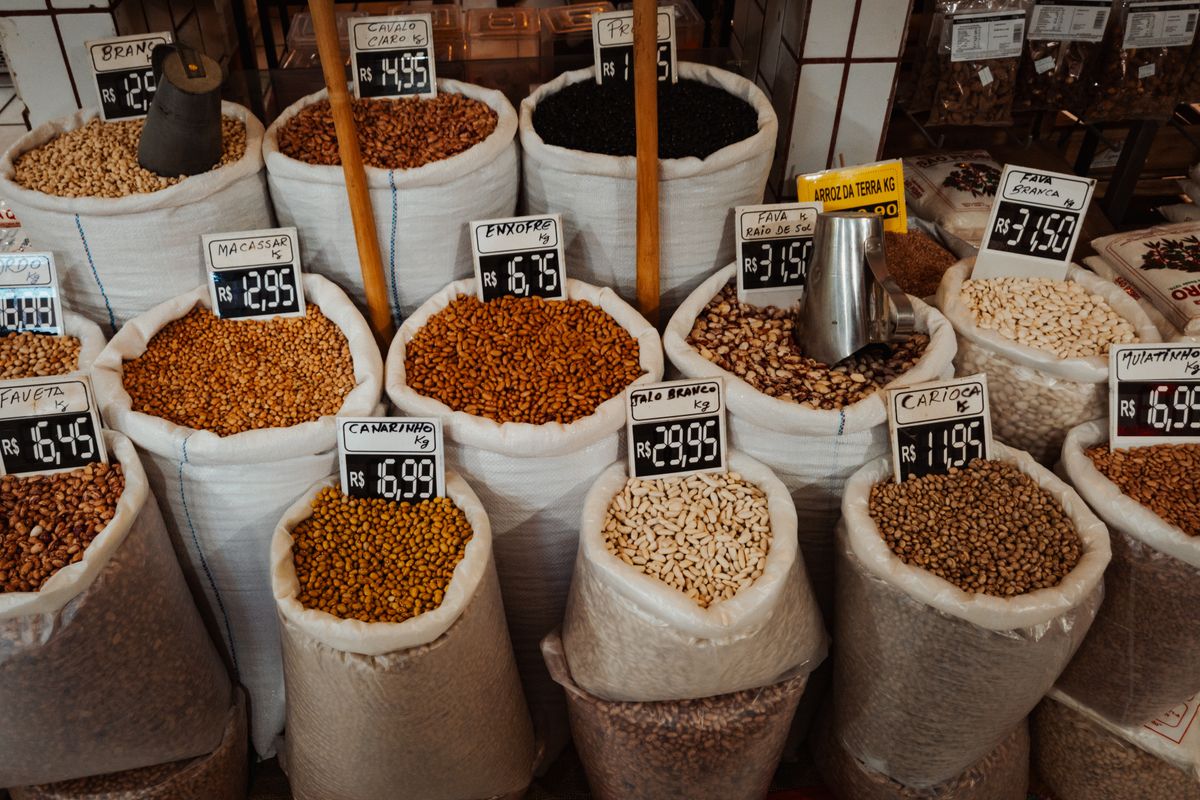
Peru has genuine structural strengths in pulses. National pulse output runs around 301,000 tons from roughly 208,000 hectares cultivated by more than 140,000 families, and exports have compounded at about 19% a year between 2020 and 2024. Across the wider pulse basket, peas led by value in 2024 at $46.0 million, followed by pigeon pea (frejol de palo) at $26.6 million, mung bean (loctao) at $23.2 million, beans, lima beans (pallar) at $13.7 million and cowpea (caupi) at $11.0 million, giving buyers a broad varietal menu from one origin.
Lima beans are a particular specialty. Peruvian pallar of the large Generoso and earlier Precoz types is prized for size and appearance, concentrated in the coastal valleys of Ica and Lambayeque, and sells into demanding markets such as the Netherlands (27% of pallar value), Japan (20%) and Spain (11%). Beans, meanwhile, flow heavily to the United States (34% of bean value), South Korea (26%) and the Dominican Republic (13%), each market with its own caliber and grade expectations.
But that depth is spread thin. The bean trade ran through about 40 destinations and a wide roster of exporters, with the top three holding only around 39% of volume, while lima beans passed through 37 markets and 49 separate exporters. The origin can serve almost any specification; the open question is always which specific packer can hit yours, on grade, on caliber and on time, shipment after shipment.
Three markets take roughly three quarters of Peru's bean volume
US value US$34.9M at US$1.85/kg; South Korea US$27.3M at US$2.33/kg
Each market carries its own caliber and grade expectations
Source: Peru Sourcing Partners analysis
The decision that protects your margin is supplier selection, not origin
For an importer, the practical takeaway is that Peru is the easy part. The harder and more valuable choice is which exporter to trust, because the difference between a top-tier packer and an average one shows up in defect rates, caliber consistency, certifications and shipping reliability long before it shows up in price. With dozens of bean and lima bean exporters of widely varying track records, that selection is the single biggest lever on landed cost and risk.
That is exactly the work a vetted shortlist is built to do. Rather than chasing a directory of names, a buyer is far better served by a short, pre-screened set of suppliers matched to a specific variety, caliber and grade, with export history, market mix and reliability already checked against real shipment records.
If you are sourcing Peruvian beans or lima beans, the most useful next step is to define your specification and ask for a vetted shortlist of exporters that demonstrably match it. That turns a fragmented, hard-to-read supply base into a short list of credible partners, and replaces guesswork with evidence before you ever send a sample request.
Lima bean supply is split across many packers, not a few dominant ones
49 exporters shipped pallar to 37 destinations in 2024
The long tail is where grade and reliability vary most
Source: Peru Sourcing Partners analysis

Get a vetted shortlist of Peruvian bean and lima bean suppliers matched to your spec
Tell us your variety, caliber and grade requirements and your target market. We will return a short, pre-screened list of Peruvian exporters whose export history, market mix and reliability we have checked against real shipment records, so you can request samples from credible partners instead of guessing.
Request an introductionCommon questions
What pulses does Peru export, and which are most relevant for importers?
Beans (frijol) are the headline product for most foreign buyers, reaching 62,971 tons worth $103.8 million in 2024 across fresh, frozen and processed presentations. The wider pulse basket also spans peas at $46.0 million, pigeon pea (frejol de palo) at $26.6 million, mung bean (loctao) at $23.2 million, lima beans (pallar) at 8,968 tons and roughly $14 to $15 million, plus cowpea and fava, all 2024 figures. Lima beans are especially valued for their large Generoso caliber.
Where do Peru's beans and lima beans actually go?
In 2024 beans shipped mainly to the United States (34% of value), South Korea (26%) and the Dominican Republic (13%), across roughly 40 markets. Lima beans went largely to the Netherlands (27%), Japan (20%) and Spain (11%) across 37 markets. Each destination has its own caliber, grade and presentation expectations, which is why supplier fit matters more than origin.
Why does choosing the right Peruvian supplier matter so much for pulses?
The supply base is fragmented and uneven. Lima beans alone moved through 49 separate exporters in 2024, and even in beans the top three shippers held only about 39% of volume. Caliber, defect and broken-grain rates, moisture, certifications and shipping reliability vary widely between packers, so a vetted, specification-matched shortlist protects margin far more than chasing the lowest quoted price.
About the data: Figures reflect Peru's 2024 full-year pulse exports compiled from official trade statistics and sector reporting; client-facing source label is Peru Sourcing Partners analysis. Figures reflect Peru export data curated and classified by Peru Sourcing Partners.
Get our Peru processed foods and staples sourcing briefings before your competitors do
a short brief on Peru sourcing, sent occasionally.