Key takeaways
- Peru's premium home textiles ride on extra long staple Pima and Tanguis cotton and roughly 80 percent of the world's alpaca fiber, raw materials almost no other origin can match for throws, blankets and bedding.
- The alpaca supply chain is dangerously concentrated: about 90 percent of Peru's fiber is processed by two vertically integrated groups (Michell and Incalpaca, both in Arequipa), so capacity and lead times hinge on a handful of mills.
- Below the top tier the base is fragmented and uneven: Lima drives about 71 percent of textile and apparel export value (Jan-Nov 2024) and the Gamarra district holds tens of thousands of micro and small firms, with minimum orders ranging from 50 units to 500 depending on the factory.
The raw material is exceptional. The factory you land is a coin toss.
Importers come to Peru for one reason: the fiber. Extra long staple Pima and Tanguis cotton and the softest commercial alpaca on earth promise home made-ups that feel like nothing else on the shelf. The problem is that great fiber does not guarantee a great supplier. Peru's home textiles capacity is small relative to its apparel business, and it is spread across thousands of workshops of wildly different quality.
Around 71 percent of textile and apparel export value comes out of Lima and another 14 percent out of Arequipa, which works almost entirely in alpaca (Jan-Nov 2024). The Gamarra district in Lima alone holds tens of thousands of micro and small businesses. A buyer searching for blankets, throws or bedding can talk to a vertically integrated mill that ships to Europe one day and a 20-person workshop with no export track record the next, and the websites look almost identical.
Minimum order quantities tell the same story. Gamarra workshops will run 50 to 100 units, export grade mills want 200 to 500 per style and color, and alpaca knit programs often need 300 to 500 because of yarn dyeing economics. Match your volume to the wrong tier and you either overpay, miss your quality bar, or get quietly subcontracted to a factory you never approved.
Export volume sits in three regions, and alpaca capacity is locked into one
Arequipa is small in export share but holds nearly all export grade alpaca capacity, which is why two groups process about 90 percent of the fiber.
Source: Peru Sourcing Partners analysis
Why Peru, despite the fragmentation: fiber no one else has
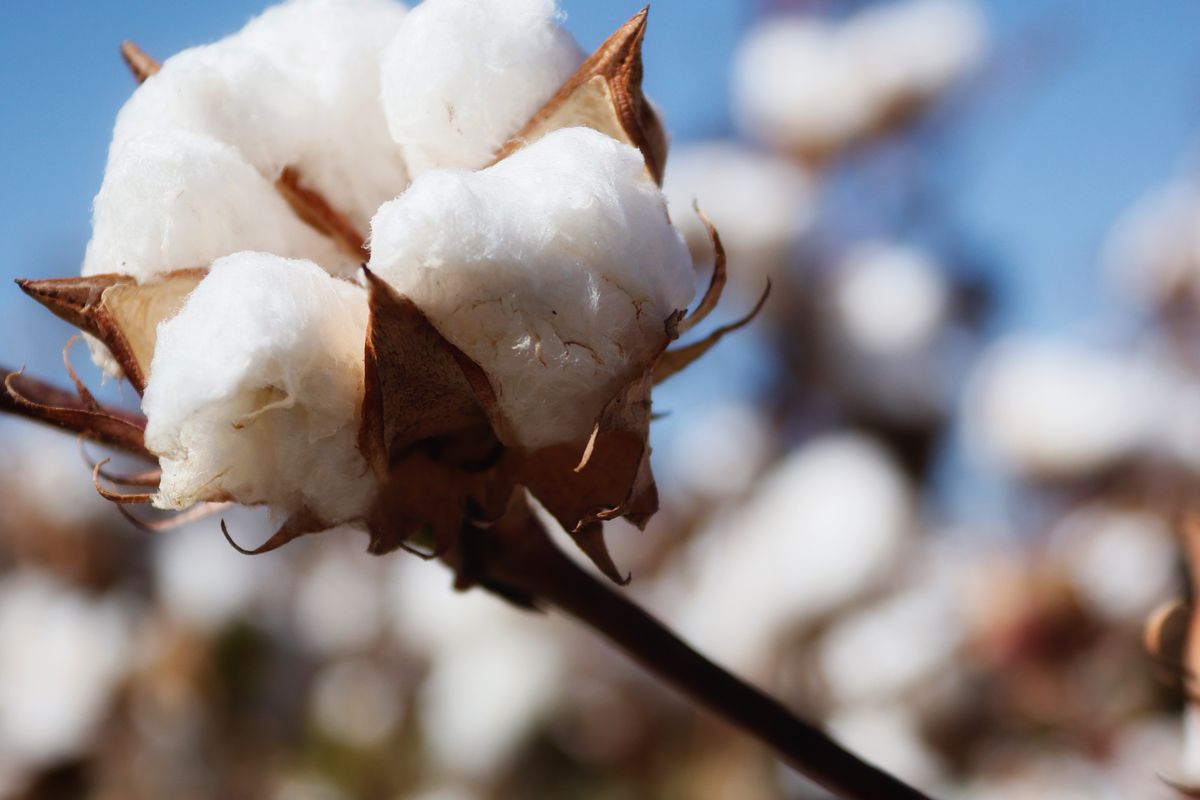
Peru is one of a small number of origins growing extra long staple Pima at commercial scale, alongside the United States and Egypt, and its native Tanguis variety underpins a long running organic cotton story. These fibers are longer, finer and stronger than commodity upland cotton, which is exactly what high end towels, sheeting and woven throws need to justify a premium price. The result is a textile and apparel export sector worth about $1.64 billion in full year 2024.
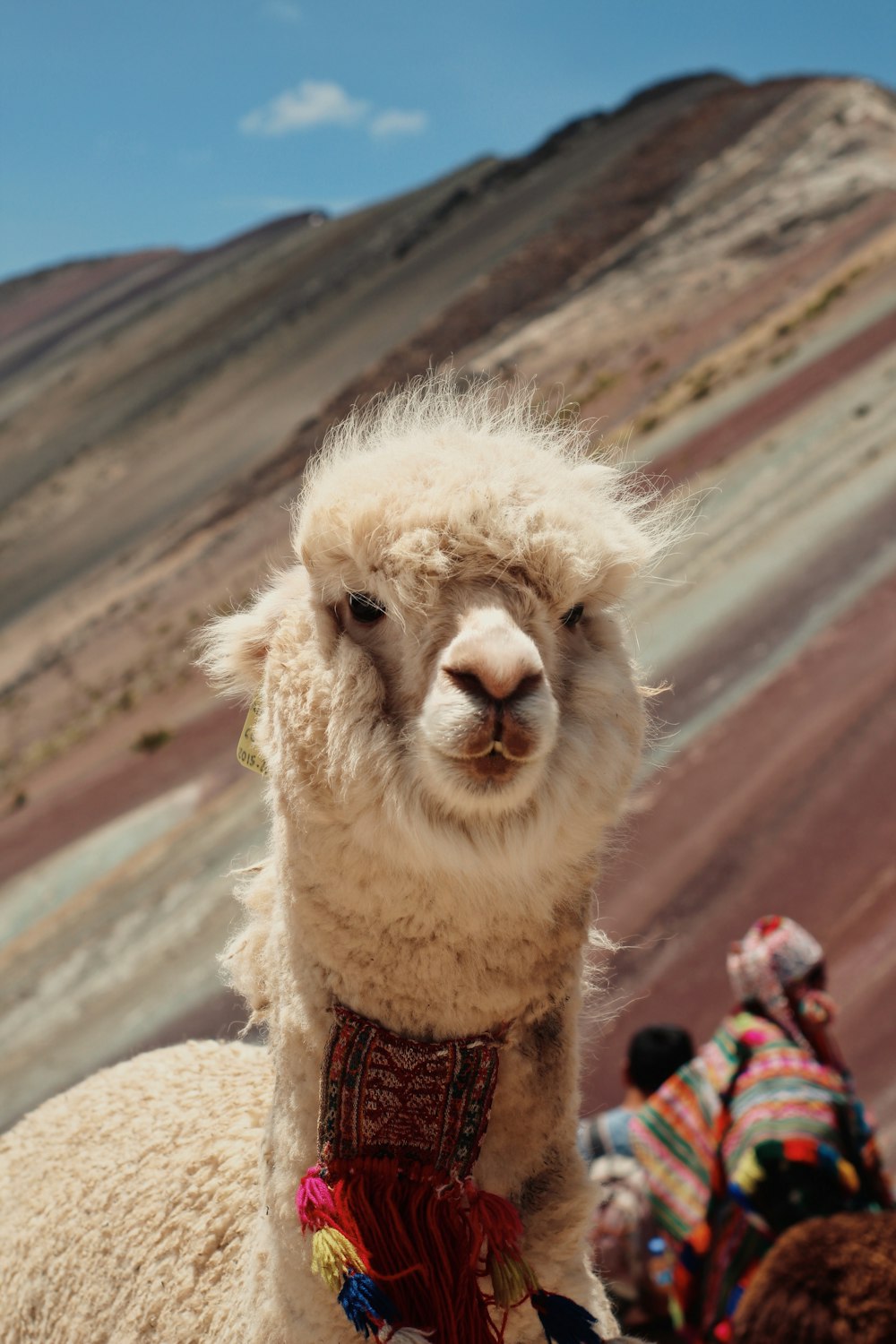
On the wool side the advantage is even starker. Peru supplies roughly 80 percent of the world's alpaca fiber, with more than five million animals across Puno, Arequipa, Cusco and the southern highlands. Alpaca throws, blankets and bedding made from this fiber are a genuine luxury category that buyers cannot replicate from China or India, and demand for eco luxury home decor in alpaca keeps widening beyond apparel.
The catch is concentration. Two vertically integrated groups, Michell and Incalpaca, process on the order of 90 percent of Peru's alpaca fiber, and Michell alone has more than 90 years of tops and yarn experience. That depth is a gift for quality and a risk for capacity: the suppliers who can actually deliver export grade alpaca home goods at volume are a short, identifiable list, and the long tail behind them is uneven.
One factory's minimum order can be ten times another's
Midpoints of reported ranges: Gamarra 50-100, export mills 200-500, alpaca knit 300-500. Matching your volume to the wrong tier is a common, costly error.
Source: Peru Sourcing Partners analysis
So what: in a narrow base, vetting is the whole game
When a supply base is this concentrated at the top and this fragmented below, the country brand tells you almost nothing about the supplier you will actually receive. The difference between a mill that holds tolerances on a 5,000 unit alpaca throw program and a workshop that subcontracts your bedding to three unnamed shops is the difference between a profitable line and a returns problem.
The buyer's real decision is not Peru versus elsewhere. It is which specific factory matches your product, your MOQ, your certifications and your ship date. That requires looking past the website: confirming the fiber is what the label claims, checking real export history, and seeing the floor that will run your order rather than the showroom.
That is where a vetted shortlist earns its keep. Instead of cold emailing fifty look alike workshops, you start with a short list of factories that have been profiled on the ground for the exact made-up you need, matched to your volume tier. The fastest way to de risk Peru home textiles is to ask for that shortlist before you ask for a sample.
The United States takes the majority of Peru's textile exports
Peru shipped to more than 100 destination markets in 2024, but a single market drives the majority, which concentrates demand risk for any one supplier.
Source: Peru Sourcing Partners analysis
Get a vetted shortlist of Peru home textile factories matched to your product and volume
Tell us the made-up you are sourcing, your target MOQ and your quality bar. We profile the factories on the ground, confirm fiber and export history, and hand you a short list of suppliers worth a sample, not fifty look alike workshops.
Request an introductionCommon questions
What home textiles can Peru actually make well at export quality?
The strongest categories are alpaca throws, blankets and bedding, plus high end Pima and Tanguis cotton towels, sheeting and woven made-ups. These lean on extra long staple cotton and alpaca fiber that most origins cannot match. Volume in pure home made-ups is smaller than in apparel, so capacity and quality vary sharply by factory.
Why is choosing the right factory such a big deal in Peru?
Because the base is concentrated at the top and fragmented below. Two groups, Michell and Incalpaca, process roughly 90 percent of the alpaca fiber, while about 71 percent of textile and apparel export value comes out of Lima and the Gamarra district alone holds tens of thousands of micro and small workshops. Export ready mills and 20-person shops can look identical online, so on the ground vetting is what separates them.
What MOQ should I expect for Peruvian home textiles?
It depends on the tier. Small Gamarra workshops will run 50 to 100 units, export grade mills typically want 200 to 500 per style and color, and alpaca knit programs often need 300 to 500 because of yarn dyeing economics. Aligning your order size to the right factory tier is one of the first things a vetted shortlist sorts out.
About the data: Figures reflect the latest full year of public Peru export and industry data (2023-2026), cross-checked across at least two sources per headline number; supplier-side metrics only. Figures reflect Peru export data curated and classified by Peru Sourcing Partners.
Sourcing Peru cotton and alpaca home textiles? Get our factory intelligence first.
a short brief on Peru sourcing, sent occasionally.